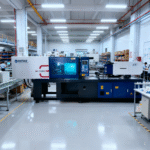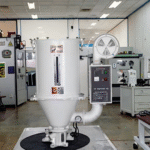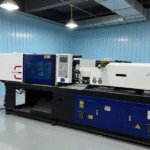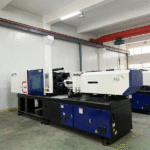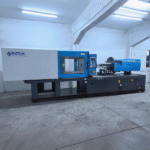

Plastic manufacturing enterprises maximize their long-term capital efficiency when they deploy thoroughly inspected, high-tonnage pre-owned hydraulic stamping hardware directly on the main factory floor. Ultimately, procuring well-maintained secondhand industrial hardware completely eliminates the extensive equipment fabrication delays associated with ordering brand-new machinery lines.
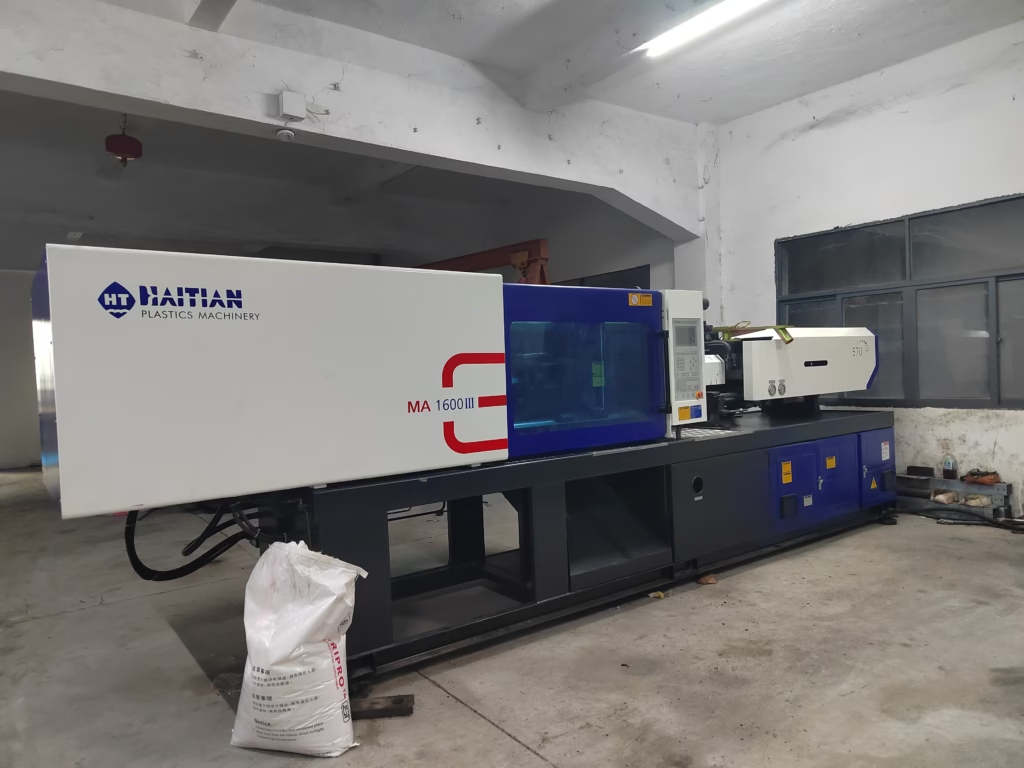
By strategically sourcing an active used injection molding machine, commercial molding shops instantly secure high-volume manufacturing capacities. This robust structural capability allows expanding part suppliers to fulfill millions of complex automotive plastic components smoothly.
Now, let us trace backwards to examine exactly how modern machinery refurbishment protocols secure your primary factory production margins.
Case Study: Restructuring a Consumer Electronics Housing Production Line
To appreciate the immense value of secondhand machinery integration, we should analyze a real manufacturing turnaround from last season. The following case study highlights how strategic equipment sourcing changes commercial factory performance metrics in real-time.
Overcoming Severe Capital Constraints During Market Expansion Phases
David Vance, the plant operations manager for an industrial medical plastics molder in Ohio, faced a stressful capacity bottleneck. His firm needed to deliver three million precision polypropylene medical syringe housings within four tight operational months.
Relying on local equipment leasing brokers threatened to consume his entire quarterly cash reserves via high interest fees. Consequently, David shifted his manufacturing asset acquisition strategy away from purchasing brand-new machinery models completely.
Multiplying Daily Plastic Part Throughput via Refurbished Machinery Assets
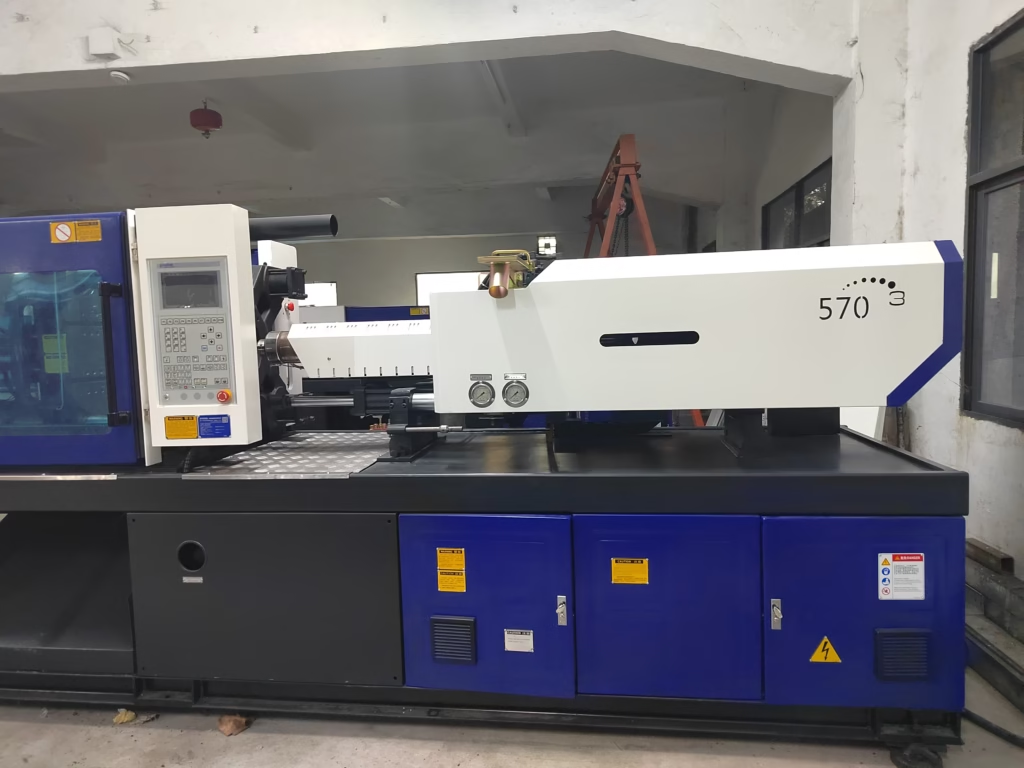
By collaborating with a dedicated machinery broker, his engineering team deployed two pre-owned refurbished plastic injection equipment units. These high-tonnage mechanical systems clamped raw steel mold bases together flawlessly under immense hydraulic force lines.
The stable hydraulic pressure eliminated plastic flashing defects completely, preserving your tight part dimensions without generating scrap plastic. Because he selected this direct machinery sourcing pipeline, David successfully slashed his upfront capital expenditure by fifty percent.
The custom molding factory fulfilled its high-volume contract ahead of schedule, boosting its industrial market standing significantly.
The Advanced Mechanical Engineering of Hydraulic Clamping Systems
Standard electric machinery configurations often struggle under continuous multi-shift production schedules because internal electric servo motors overheat rapidly. Let us explore the internal fluid dynamics that allow heavy-duty hydraulic machinery to maintain immense clamping forces indefinitely.
Concentrating Mechanical Force via Industrial Toggle Clamp Linkages
Professional heavy-duty molding systems utilize massive, heavy cast-iron toggle mechanisms to lock heavy steel mold blocks together tightly. The mechanical design multiplies hydraulic cylinder output force heavily as the internal linkages extend fully.
These rigid metal frameworks withstand immense internal cavity plastic pressures without shifting or flexing a single millimeter. Therefore, you obtain perfectly consistent plastic wall thicknesses across extensive, high-speed multi-cavity production runs.
Protecting Precision Moving Components via Proportional Hydraulic Valves
To maintain rapid mold opening speeds without causing heavy tool vibrations, machinery requires advanced fluid regulation networks. Modern hydraulic systems integrate highly responsive proportional control valves that modulate fluid flow rates every single microsecond.
These smart oil lines control the main injection ram movement with extreme volumetric precision down to a millimeter. Consequently, you minimize dangerous mold collisions, ensuring your factory tooling remains active for millions of cycles.
Distinguishing Performance Features: Pre-Owned Workhorses vs. Cheap Lightweight Importers
Traditional budget-tier imported molding machines provide low upfront retail purchase prices but utilize flimsy, thin sheet steel chassis components. This weak structural framing introduces severe harmonic vibrations that twist tool alignment pins out of place over time.
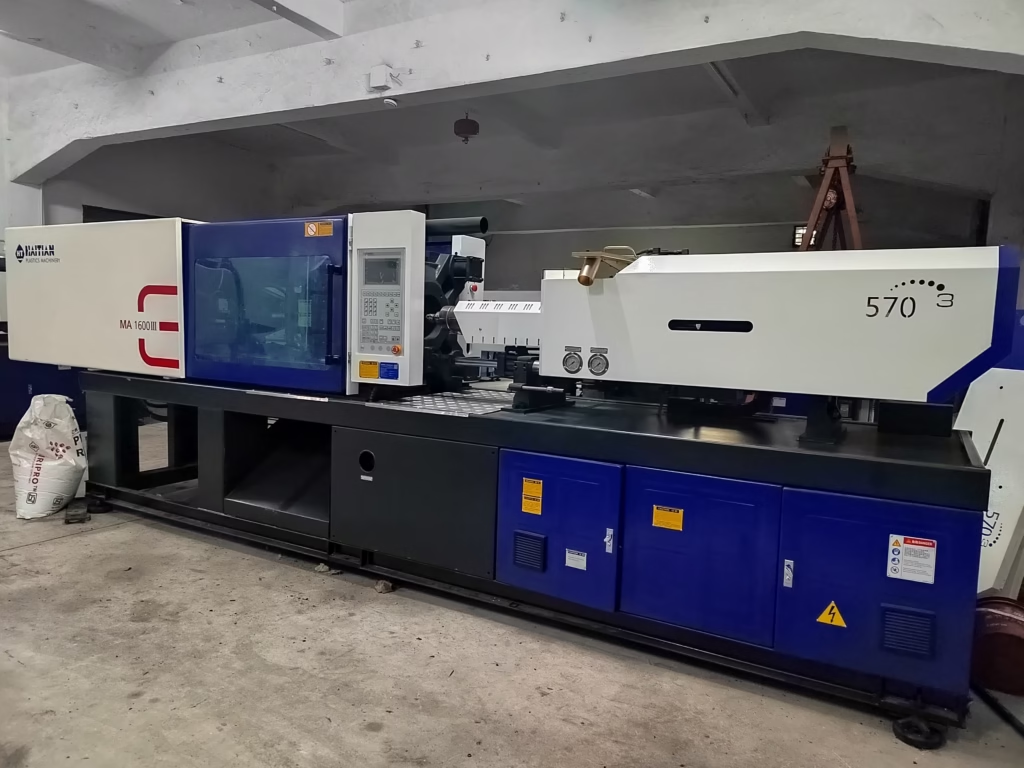
In contrast, an industrial-grade injection molding machine used asset brings immense physical mass straight to your factory floor. These massive legacy machines utilize heavy, stress-relieved steel plates to absorb extreme cyclical production forces easily.
Furthermore, older industrial units utilize widely available commercial electronic components, simplifying your internal maintenance team’s repair routines. This component standardization ensures rapid troubleshooting turnaround times whether your facility operates twenty-four hours or runs single shifts. Discover more about managing these repair schedules with our Enterprise Plastic Machinery Preventive Maintenance Blueprint.
Auditing Secondhand Machinery Infrastructure: A Procurement Director’s Checklist
Manufacturing operations managers must look past basic paint cosmetics when inspecting potential pre-owned machinery inventory additions. Avoid buying unverified, abandoned machinery assets that do not include full maintenance logs from the previous factory owner.
- Verify the Tie Bar Spacing Clearance: Prioritize machines matching your largest mold base outer dimensional footprints.
- Inspect the Screw and Barrel Assembly: Measure internal wear clearances to prevent serious plastic melt leakage issues.
- Check the Total Operational Run Hours: Select machines displaying low cumulative cycle counts relative to their manufacture date.
- Confirm Controller Software Upgrade Paths: Ensure the onboard industrial computer accepts modern digital data tracking connections.
Maximizing Factory Profitability via High-Volume Custom Molding Solutions
Achieving elite manufacturing efficiency requires discarding underpowered, small-capacity molding setups across your primary production floor. Your corporate custom processing contracts are only as profitable as the machine uptime metrics driving your daily schedule.
Ultimately, investing in a robust high volume custom molding solutions asset safeguards your quarterly corporate business profits from high inflation costs. It delivers the relentless clamping power, heavy steel longevity, and rapid cycle speeds that modern horizontal hydraulic plastic forming systems require.