
Modern plastic manufacturers must adopt eco friendly automation today. Therefore, integrating an injection mold machine drives continuous sustainable production effectively. Advanced eco friendly equipment reduces industrial carbon footprints significantly. Furthermore, full lead-free compliance ensures compliance with global RoHS standards. Consequently, an automated injection mold machine optimizes raw material usage seamlessly.
Industrial facilities must lower energy consumption without delay. In addition, waste reduction remains a primary corporate objective. Indeed, energy efficient machinery helps brands meet sustainability targets. Moreover, automated systems ensure top product quality continuously. As a result, sustainable production protects environments while expanding profits.
High efficiency technology transforms traditional manufacturing operations rapidly. Specifically, automated units eliminate manual operational bottlenecks completely. Furthermore, precise temperature controls reduce thermal energy losses. Consequently, plastic molding plants achieve higher yields every single day. For this reason, smart automation represents the future of manufacturing.
Pain Point Scenarios in Plastic Manufacturing
Scenario 1: Excessive Energy Consumption in Traditional Molding Units
Legacy machinery consumes massive electrical power during idle cycles. Consequently, factory utility bills rise to extreme levels. In fact, standard hydraulic pumps run at constant full speed continuously. Therefore, plants waste expensive energy during cooling phases.
Specifically, unoptimized motors convert surplus electricity into unwanted heat. As a result, auxiliary cooling systems must work harder. In turn, total factory power demand escalates dramatically month after month. Thus, adopting an automated injection mold machine resolves this critical issue.
Scenario 2: Severe Material Waste and High Defect Rates
Manual quality checks frequently miss subtle preform molding defects. Consequently, operators discard hundreds of defective plastic parts daily. Moreover, unstable injection pressure causes severe wall thickness variations. Therefore, material scrap rates increase operational expenses significantly.
In addition, inconsistent plasticizing rates ruin delicate preform tolerances. As a consequence, factories waste costly raw resin materials continuously. In contrast, an automated injection mold machine maintains exact pressure profiles. Consequently, reject rates drop immediately across all production lines.
Scenario 3: Heavy Labor Dependence and Unplanned Downtime
Manual part extraction slows overall cycle times significantly. Furthermore, operator fatigue leads to frequent production errors and delays. Indeed, unexpected component failures halt manufacturing schedules unexpectedly. Consequently, downtime costs ruin project delivery timelines severely.
Additionally, old machinery requires constant manual adjustments during operations. For this reason, labor expenses remain unnecessarily high every month. In response, modern automated equipment streamlines part removal cleanly. Therefore, plants achieve uninterrupted continuous production with minimal labor.
Technical Solutions and Data-Driven Energy Efficiency
Precision Servo Hydraulics and Core Pump Motor Efficiency
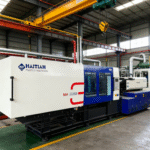
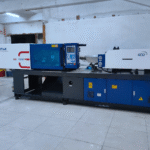
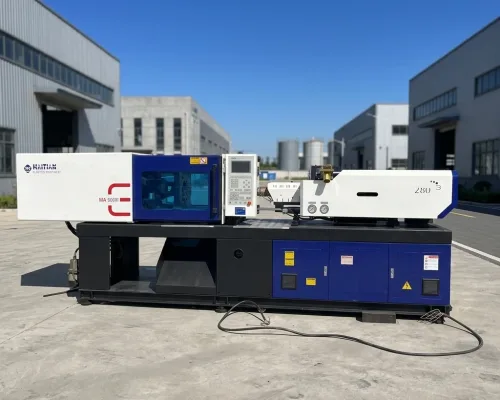
Modern servo drive technology revolutionizes plastic processing efficiency. Specifically, dynamic servo motors adjust speed based on real-time pressure demands. Consequently, energy consumption drops by up to 70 percent. The Haitian MA90 horizontal machine incorporates essential core components like optimized pumps and motors.
Furthermore, servo hydraulics minimize oil heating during idle phases. In turn, cooling water consumption decreases by nearly 50 percent. Moreover, precise hydraulic response ensures fast clamp locking times. Therefore, the Haitian MA90 injection mold machine delivers supreme performance.
Advanced Injection Specifications for Superior Preform Quality
The Haitian MA90 machine offers versatile injection volumes. Specifically, theoretical injection volumes reach 121, 153, and 188 cm³. Meanwhile, injection weights for PS equal 110, 139, and 172 grams. Consequently, operators select ideal configurations for varied mold designs.
In addition, standard injection rates range from 76 to 119 g/s. Furthermore, specialized ESG configurations boost injection rates to 100-157 g/s. Moreover, injection pressures achieve 234, 185, and 150 MPa cleanly. Plasticizing rates for GPPS reach 10.5 to 16.8 g/s efficiently.
Accordingly, high injection pressure prevents short shots completely. Indeed, exact plasticizing rates ensure homogenous melt quality continuously. As a result, preform clarity and structural strength meet strict quality standards. Therefore, high speed cycles maximize factory output seamlessly.
Scalable 900-Ton Clamping Capacity for Large Parts
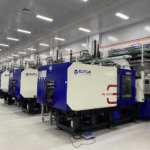
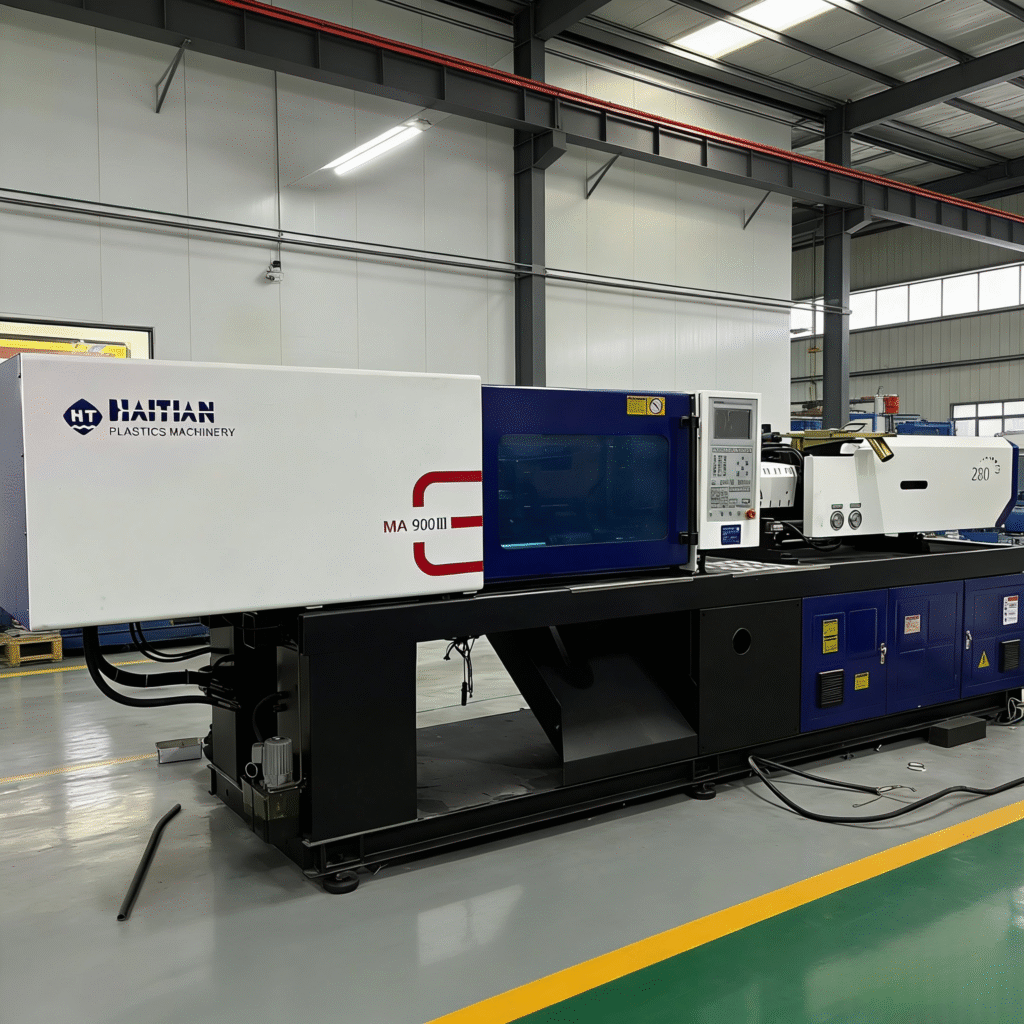
For large-scale operations, the Haitian MA900 tons unit offers exceptional clamping power. Specifically, 900 tons of clamping force supports large multi-cavity preform molds. Consequently, mold platen deflection decreases to near zero during high pressure injection.
Furthermore, fully refurbished second-hand units provide immense cost advantages. In fact, pre-owned machinery offers an affordable alternative to expensive new units. Moreover, advanced controls deliver consistent part quality across every single shot. Thus, large-scale manufacturers achieve sustainable expansion economically.
Equipment Specifications and Energy Certification Comparison
Below is a detailed specification comparison table. Indeed, comparing parameters highlights the immense value of our featured solutions. Both Haitian units offer superior energy efficiency and robust construction.
| Specification Parameter | Standard Legacy Hydraulic Machine | Haitian MA90 Horizontal Machine | Haitian MA900 Refurbished Unit |
| Clamping Force | 90 Ton | 90 Ton | 900 Ton |
| Theoretical Injection Volume | 100 cm³ | 121 / 153 / 188 cm³ | 2,500+ cm³ |
| Injection Weight (PS) | 90 g | 110 / 139 / 172 g | 2,200+ g |
| Injection Rate | 60 – 80 g/s | 76 – 119 g/s (100 – 157 g/s ESG) | 350+ g/s |
| Injection Pressure | 160 MPa | 234 / 185 / 150 MPa | 180+ MPa |
| Plasticizing Rate (GPPS) | 8.0 g/s | 10.5 – 16.8 g/s | 45.0+ g/s |
| Energy Consumption Reduction | Baseline (0%) | 35% – 70% energy savings | 30% – 65% energy savings |
| Compliance Standard | Basic Standard | Lead-free compliance (RoHS) | Lead-free compliance (RoHS) |
To explore additional energy efficient equipment models, visit our product category page today. Furthermore, consult our comprehensive technical guide for optimized installation strategies.
High ROI with Sustainable Automated Machinery
Investing in an automated injection mold machine generates immediate payback. Specifically, reduced electricity bills lower unit manufacturing costs straight away. Furthermore, pre-owned refurbished machines dramatically reduce initial capital requirements. Consequently, factory owners achieve high profitability within months.
In addition, automated systems lower ongoing labor overhead expenses. Meanwhile, reduced raw material scrap increases gross operating margins consistently. Indeed, sustainable plastic processing enhances corporate environmental reputation worldwide. Therefore, modernizing your plant guarantees long-term market competitiveness permanently.