
Choosing plastic mold injection machines requires balancing production capacity, molding precision, operating costs, and long-term value. For factory owners, the right plastic injection molding machine supports stable output and consistent product quality. However, every production line has different requirements.
Therefore, buyers should evaluate machine specifications alongside mold dimensions, resin properties, and target output. They should also consider maintenance access, automation, and available factory space.
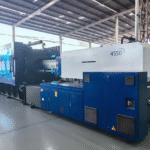
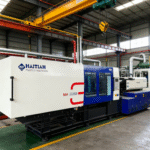
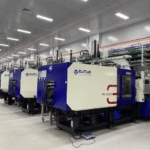
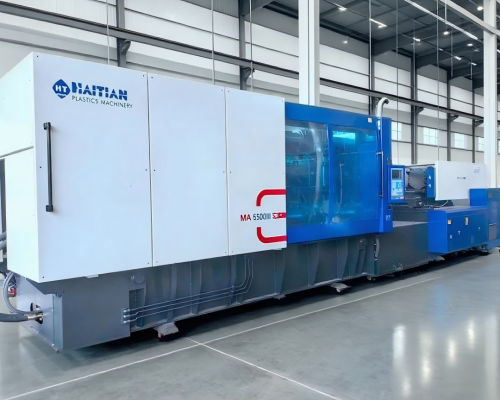
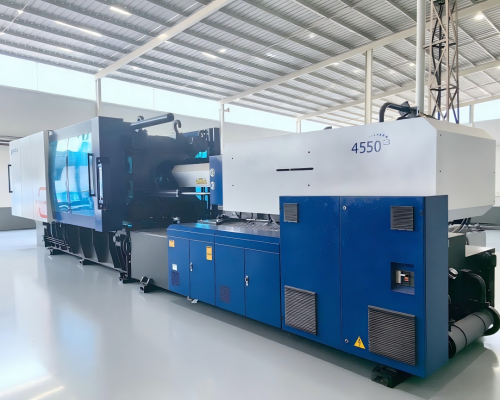
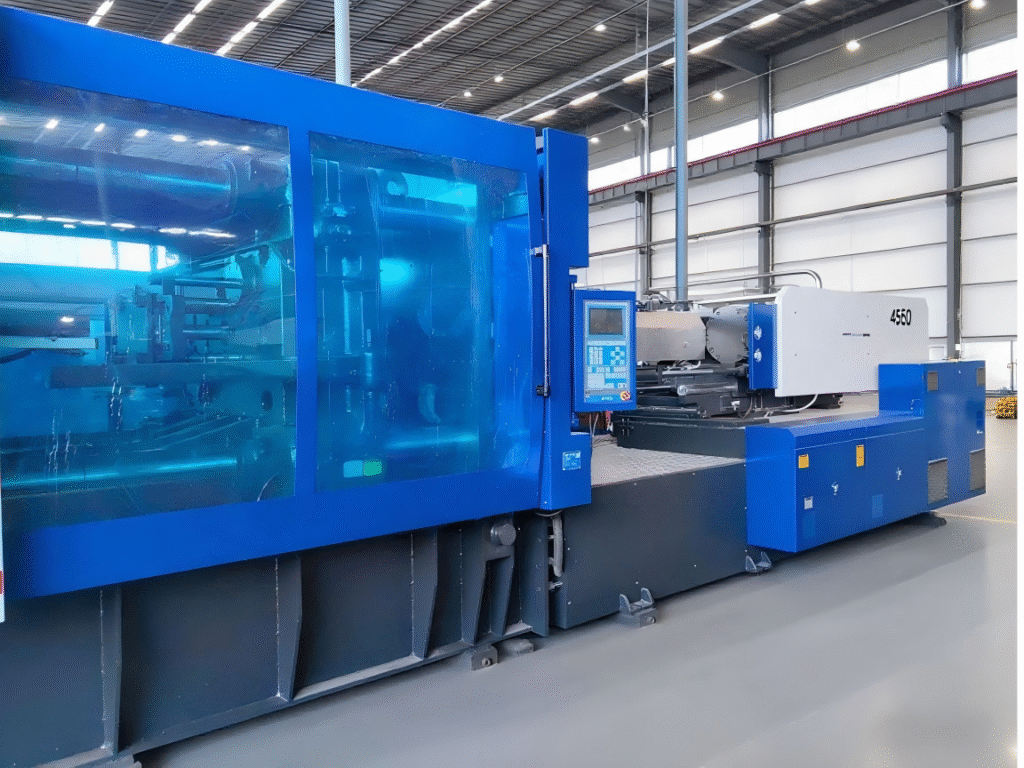
The Haitian MA650T automatic injection molding machine offers a practical option for industrial buyers. This second-hand machine combines substantial clamping force with high injection capacity. Its suitability depends on the intended product and verified machine condition.
How Do You Match Machine Capacity to Production Needs?
Choosing insufficient capacity can limit product options. Meanwhile, oversized equipment may increase investment and operating requirements. Therefore, buyers should begin with product and mold specifications.
Calculate Clamping Force and Injection Requirements
The Haitian MA650T provides a clamping force of 6,500 kilonewtons. Its listed maximum injection weight reaches 2,000 grams for polystyrene. The screw diameter measures 80 millimeters.
These specifications suit evaluation for larger molded components and substantial production requirements. However, engineers should calculate the required shot weight and projected mold area. They should also consider resin behavior and cavity count.
Before selecting plastic mold injection machines, confirm these factors:
- Required clamping force and injection pressure
- Total shot weight, including runners
- Mold dimensions and tie-bar clearance
- Resin type and processing temperature
- Expected cycle time and production volume
Consequently, buyers can narrow their options using measurable production requirements.
Which Machine Features Support Consistent Product Quality?
Molding quality depends on several interacting factors. These include injection control, temperature stability, mold design, and material preparation. Therefore, buyers should assess the complete process rather than one specification.
Review Injection Performance and Control Systems
The MA650T features PLC touchscreen control. Its listed injection speed reaches 490 grams per second. This capability may support applications requiring substantial material flow.
However, actual results depend on resin viscosity, mold design, and process settings. Buyers should request a test using representative materials whenever practical.
During evaluation, review dimensional consistency and surface appearance. Also, check temperature control and injection repeatability. These observations help determine whether the machine suits the intended products.
For reliable production planning, confirm the required tolerance range. Then align inspection procedures with customer drawings and quality requirements.
How Can Buyers Balance Equipment Costs and Long-Term Value?
Equipment price represents only one part of the investment. Installation, transportation, maintenance, and energy consumption also affect ownership costs. Therefore, compare the complete budget before purchasing.
Evaluate Used Equipment Through Inspection
A second-hand plastic injection molding machine may offer a lower initial investment. This option can help factories expand capacity while managing capital expenditure.
Nevertheless, buyers should review maintenance records and operating history. Inspect the injection unit, clamping system, electrical controls, and safety functions. Where possible, arrange a powered production test.
The supplier describes the MA650T as fully inspected and in excellent working condition. Buyers should still verify its current status and included components.
| Evaluation Factor | Haitian MA650T | Buyer Consideration |
|---|---|---|
| Clamping force | 6,500 kilonewtons | Match projected mold area |
| Injection weight | 2,000 grams for polystyrene | Confirm actual shot requirements |
| Screw diameter | 80 millimeters | Check resin and output needs |
| Injection speed | Listed at 490 grams per second | Verify machine configuration |
| Control system | PLC touchscreen | Review functions and operating condition |
| Machine status | Used, described as inspected | Request inspection records |
The detailed specification sheet lists several model configurations. For example, injection rates vary across listed configurations. Therefore, confirm the exact machine setup before placing an order.
Will the Machine Fit Your Factory Layout?
Large equipment requires careful installation planning. Factory access, floor capacity, utilities, and material handling all influence commissioning.
Check Dimensions and Installation Requirements
The published specifications list dimensions of approximately 9.2 by 2.1 by 2.5 meters. The listed machine weight reaches 29 metric tons.
These figures help teams assess transport routes and installation space. However, buyers should confirm the actual machine dimensions before arranging delivery.
Also, review power supply, cooling requirements, and lifting arrangements. Prepare sufficient access for maintenance and mold changes. This planning can reduce installation delays.
Explore our Plastic Injection Molding Equipment Range to review additional machine options. Compare each model against your product and factory requirements.
How Can Buyers Choose a Reliable Equipment Supplier?
A capable supplier provides clear specifications and responsive technical support. These factors matter when factories purchase used machinery or plan production upgrades.
Request Documentation and Practical Testing
Ask for machine identification, maintenance history, and inspection records. Confirm available accessories, control functions, and warranty terms. Additionally, clarify shipping arrangements and after-sales support.
A production trial can provide useful evidence. Use your intended mold and resin where possible. Then assess cycle stability, part dimensions, and surface quality.
For further guidance, explore our Injection Molding Technical Guide. It can help your team prepare questions before supplier discussions.
Conclusion
Choosing plastic mold injection machines requires a clear understanding of production goals. Capacity, quality requirements, equipment condition, and operating costs all deserve careful review.
The Haitian MA650T offers a 6,500-kilonewton clamping force and substantial injection capacity. For suitable industrial projects, it may provide a cost-effective route to additional production capacity.
Before purchasing, verify machine specifications and arrange an inspection. Then compare the total investment with your output targets. This approach helps B2B buyers make practical, value-focused equipment decisions.