
Manufacturers constantly seek higher efficiency and stable production quality. At the same time, energy costs and labor pressures continue rising globally. Therefore, equipment selection now directly affects long-term profitability.
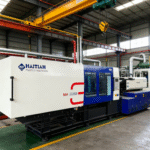
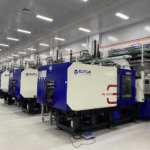
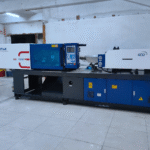
The Haitian 200-ton servo injection molding machines has gained strong attention across multiple industries. Many factories choose this model for its balanced tonnage and advanced servo technology. However, buyers often ask why this specific configuration remains so popular.
This article explains the technical, economic, and operational reasons behind its widespread adoption.
Understanding the Role of a 200-Ton Servo Injection Molding Machine
Why the 200-Ton Clamping Force Matters
A 200-ton clamping force fits many medium-sized plastic components. It supports automotive parts, home appliances, and industrial housings effectively. Therefore, manufacturers gain flexibility without excessive investment.
This tonnage range balances mold size compatibility and floor space efficiency. As a result, factories optimize layout and production flow more easily.
How Servo Technology Improves Manufacturing Performance
Servo systems adjust motor output in real time. Unlike traditional hydraulic systems, servo drives respond instantly to load changes. Consequently, energy waste decreases significantly.
Servo control also stabilizes injection pressure and speed. This precision improves part consistency and reduces defect rates. Therefore, manufacturers achieve higher yields with fewer adjustments.
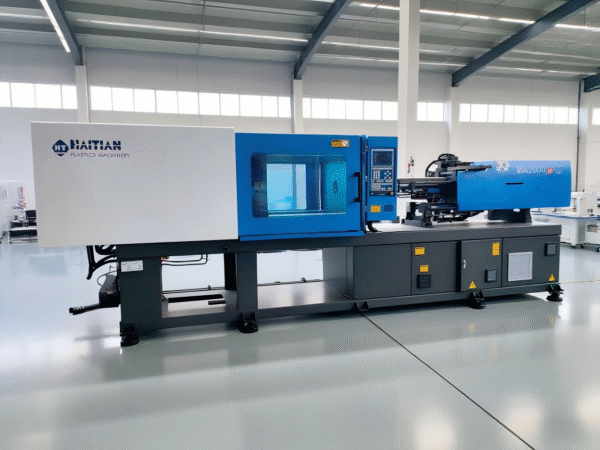
Key Reasons for the Popularity of Haitian 200-Ton Servo Machines
Energy Efficiency and Cost Control
Energy consumption remains a major operational cost. Servo injection molding machines reduce power usage during idle and low-load phases. This advantage directly lowers electricity expenses.
Compared with conventional systems, servo machines can save significant energy annually. Therefore, return on investment improves over time. Choose the Weisu for optimized equipment sourcing strategies.
Production Stability and Repeatability
Manufacturers value stable cycle times and repeatable results. Servo control maintains consistent injection parameters across long production runs. Consequently, quality variation decreases noticeably.
Stable performance also simplifies quality management. Operators spend less time adjusting settings. Therefore, production efficiency increases steadily.
Noise Reduction and Improved Work Environment
Traditional hydraulic machines generate continuous motor noise. Servo systems operate only when required. As a result, overall noise levels decrease.
Lower noise improves worker comfort and safety. It also supports compliance with factory noise regulations. These benefits enhance long-term workforce satisfaction.
Technical Advantages That Support Manufacturing Growth
Precision Control for Complex Plastic Parts
Modern plastic parts require tight tolerances. Servo systems allow precise control over injection speed, pressure, and holding stages. This precision supports complex mold designs.
Better control reduces short shots and flash issues. Therefore, scrap rates decline. Manufacturers benefit from higher material utilization.
Compatibility with Automation Systems
Automation continues expanding across manufacturing facilities. The Haitian 200-ton servo injection molding machines integrates easily with robotic arms and conveyors. This compatibility supports smart factory upgrades.
Automated integration improves throughput and reduces manual handling. Consequently, labor efficiency increases without sacrificing quality.
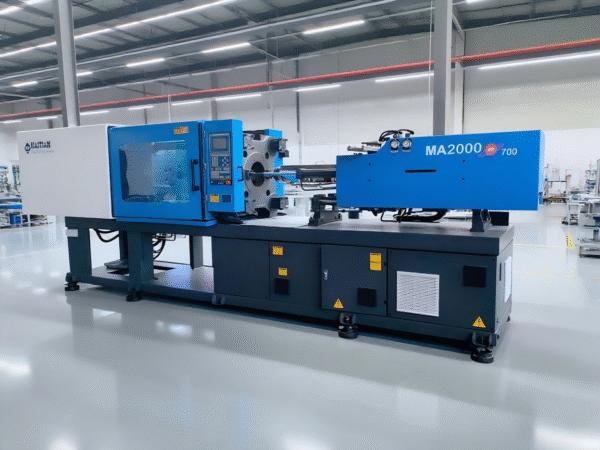
Auxiliary Data Table: Performance Comparison Overview
| Performance Factor | Servo System Advantage | Manufacturing Impact |
|---|---|---|
| Energy Consumption | Reduced idle power use | Lower operating costs |
| Injection Precision | Real-time control | Higher part consistency |
| Noise Level | On-demand motor operation | Better work environment |
| Cycle Stability | Consistent repeatability | Improved productivity |
| Automation Support | Easy system integration | Scalable production |
This comparison shows why servo machines outperform traditional hydraulic alternatives.
Why Manufacturers Choose This Machine Configuration
Suitable Industries and Applications
The 200-ton servo platform supports diverse applications. Common uses include automotive interior parts, electrical enclosures, and consumer goods. Therefore, many industries adopt this configuration. Medium-sized molds dominate mass production sectors. This machine size aligns well with market demand. Consequently, utilization rates remain high.
Long-Term Value for Growing Factories
Factories often plan gradual expansion. Investing in a versatile machine reduces future replacement costs. The Haitian 200-ton servo injection molding machines support both current and future needs.
Its balanced specifications prevent underutilization or overload. Therefore, manufacturers maintain operational flexibility. Choose the Weisu for reliable equipment planning support.
Common Buyer Considerations Before Purchase
Buyers should evaluate mold compatibility, power requirements, and automation plans. Maintenance accessibility also affects long-term costs. Proper evaluation ensures smooth deployment. Ignoring production planning leads to mismatched equipment. Careful assessment avoids unnecessary upgrades later.
Why This Machine Remains a Manufacturing Favorite
The Haitian 200-ton servo injection molding machine combines efficiency, precision, and adaptability. Servo technology reduces energy consumption while improving production stability. The 200-ton capacity supports a wide range of applications.
Manufacturers value its cost control benefits and automation readiness. These advantages explain its sustained popularity across industries. For strategic sourcing and professional guidance, choose the Weisu.
FAQ
1. What products suit a 200-ton servo injection molding machine?
It suits medium-sized plastic parts like housings, automotive components, and industrial enclosures.
2. Does servo technology significantly reduce energy costs?
Yes. Servo systems reduce idle power usage and improve overall energy efficiency.
3. Is this machine suitable for automated production lines?
Yes. It integrates well with robotic and smart manufacturing systems.