
Selecting the ideal manufacturing platform represents a critical turning point for plastic injection facility directors today. Plant managers constantly face intense pressure to accelerate cycle speeds while slashing monthly operational utility expenses. Traditional pure hydraulic presses frequently lose valuable energy through continuous fluid pumping and excessive oil heat generation. Consequently, forward-thinking manufacturers must choose between two highly advanced, modern equipment design architectures to upgrade their production floors. You must weigh the unique strengths of dual-drive units against the pinpoint refinement of all-electric systems.
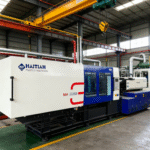
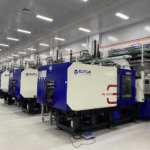
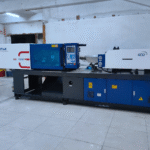
Fortunately, analyzing the core engineering differences between these two platforms simplifies your corporate procurement decisions instantly. Deploying a high-performance hybrid injection molding machine offers an incredible middle ground for versatile plastics molding shops. This technology blends heavy-duty hydraulic clamping muscle with fast, highly responsive electric servo-driven injection screw movements. Meanwhile, all-electric configurations utilize independent digital servo motors to govern every single stage of the molding process. Let us dive deep into the technical trade-offs to determine which system best fits your specific factory production goals.
The Structural Anatomy of Hybrid and Electric Systems
To choose the right machinery format, we must analyze the internal driving physics behind each hardware setup. This mechanical distinction alters how components handle high-volume production stresses.
The Dual-Drive Mechanical Synergy of Hybrid Units
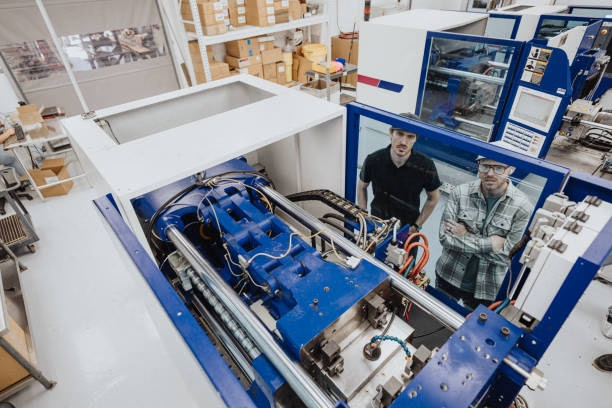
A premium hybrid injection molding machine splits its operational tasks between hydraulic power and electric motion. The machine utilizes a heavy-duty, energy-efficient hydraulic system to manage the immense clamping force needed to hold molds shut. Simultaneously, a dedicated electric servo motor handles the high-precision plasticizing screw rotation and forward injection stroke. This clever combination delivers brute structural holding strength exactly where you need it without wasting precious electrical energy.
The Pure Digital Configuration of All-Electric Presses
All-electric machinery completely eliminates hydraulic fluids, pumps, oil valves, and flexible high-pressure hoses from your factory floor. Instead, these modern units assign an independent digital electric servo motor to every single axis of physical movement. The platen motion, plasticizing injection speed, core pulling loops, and part ejection pins operate using direct ball screw drives. This completely digital approach delivers unmatched positional accuracy down to fractions of a single millimeter during continuous use.
Energy Efficiency Profiles: Head-to-Head Comparison
Managing continuous power demands dictates a substantial portion of your plant’s monthly manufacturing overhead costs. Both machinery styles offer massive structural savings compared to classic, vintage hydraulic equipment setups.
- Hybrid Servo-Pump Dynamics: The hydraulic pumps only spin when the machine demands active clamping movement.
- Zero-Power Cooling Cycles: Both hardware formats draw almost zero electrical current while parts solidify inside molds.
- All-Electric Kinetic Recovery: Pure electric systems capture kinetic braking energy and feed it back into the grid.
- Reduced Factory AC Loads: Eliminating hot hydraulic oil reservoirs lowers the ambient air cooling needs of your facility.
Operating a hybrid unit typically slashes your power usage by up to forty percent over old-school hydraulic systems. However, switching to an all-electric platform pushes those energy savings even further, sometimes reaching over sixty percent efficiency.
Precision and Repeatability: Finding the Geometric Sweet Spot
Automotive and medical device manufacturers demand absolute weight and dimensional consistency across millions of consecutive cycles. Minor manufacturing variations can trigger immediate quality control rejections.
Eliminating the Friction Flaws of Thermal Oil Drift
Hydraulic oil naturally changes its physical viscosity as ambient workshop temperatures shift across long multi-shift operations. As the fluid thins out, classic hydraulic valves experience minor response lags that alter your part weight. All-electric presses operate completely independently of oil temperatures, achieving identical injection speeds cycle after cycle effortlessly. This thermal stability ensures your automated lines produce consistent, defect-free parts from morning until night.
Mastering Complex Thin-Walled Cavity Fills
All-electric servo motors monitor cavity back-pressure thousands of times per second using advanced digital feedback loops. The internal computer adjusts the torque output instantly to maintain a perfectly flat, uniform injection speed curve. This lightning-fast responsiveness allows technicians to fill intricate, ultra-thin plastic walls without creating unappealing sink marks. It gives pure electric machinery a definitive edge for manufacturing high-density micro-electronics housings safely.
Clamping Force Capacities: Where Hybrid Systems Dominate
While all-electric systems excel at precision micro-molding, they often struggle when manufacturing massive, heavy industrial components. This capacity barrier is where dual-drive engineering truly outshines pure digital alternatives.
Generating Massive Tonnage for Large-Scale Tooling
Building large plastic items like automotive bumpers or industrial waste bins requires thousands of tons of clamping force. Creating an all-electric ball screw drive capable of delivering that immense physical pressure is incredibly expensive. Hybrid platforms utilize robust hydraulic cylinders to clamp massive steel mold bases together with total structural reliability. This hybrid design handles extreme structural loads easily while keeping your upfront machinery acquisition costs manageable.
Protecting Delicate Tooling via Smooth Mold Protection
Despite using raw hydraulic force, modern hybrid machines regulate clamp closing speeds with incredible software precision. Advanced proportional valves slow down the heavy moving platen millimeters before the delicate mold faces touch. This smooth deceleration prevents costly core indentation damage if a part fails to drop cleanly during ejection loops. Your expensive custom tooling investments remain perfectly safe, preserving your long-term factory operational uptime.
Maintenance and Cleanroom Compatibility Metrics
The physical environment of your production floor plays a deciding role in choosing your next machinery asset. Medical and food packaging sectors enforce strict contamination boundaries that alter your hardware choices.
| Operational Factor | Premium Hybrid Injection Molding Machine | Advanced All-Electric Molding Press |
| Hydraulic Fluid Requirements | Moderate (Requires periodic oil filtering) | None (Completely oil-free operation) |
| Cleanroom Certification | Good (Requires localized oil mist shrouds) | Ultimate (Perfect for medical ISO Class 5) |
| Mechanical Wear Parts | Hydraulic seals, hoses, servo valves | High-precision ball screws, drive belts |
| Audible Acoustic Emissions | Low (Servo pumps run only when needed) | Silent (Whisper-quiet electric linear tracks) |
| Preventative Maintenance Time | Requires annual oil chemistry audits | Requires simple scheduled grease applications |
Upfront Capital Investments vs. Holistic Total Cost of Ownership
Balancing your immediate equipment purchasing budget against long-term operational profitability represents a delicate economic tightrope walk. You must look far beyond the initial retail price tag to maximize your return on investment.
Analyzing the Upfront Purchase Price Gap
All-electric machines carry a premium price tag due to the high cost of large digital servo motors. A high-performance hybrid injection molding machine offers a significantly lower initial entry barrier for growing businesses. This cost advantage allows family-owned molding shops to modernize their infrastructure without draining their liquid cash reserves. It provides advanced servo efficiency at a price point that fits standard corporate equipment financing structures.
Calculating the True Lifetime Maintenance Expenses
While electric presses cost more initially, they recover that capital through reduced continuous maintenance demands. You no longer need to purchase expensive replacement hydraulic oil or pay to dispose of hazardous chemical fluids. Furthermore, electric machines boast fewer moving parts that can wear out and cause unexpected line shutdowns. Lowering your annual spare parts procurement budget yields substantial bottom-line savings over a ten-year machine lifecycle.
Making the Final Decision: Which Platform Fits Your Shop?
Choosing the winning machinery configuration requires a clear, objective analysis of your primary product mix and manufacturing style. Avoid chasing hardware trends blindly without evaluating your daily operational realities.
When to Invest in Hybrid Technology Platforms
Choose a hybrid press if your factory processes a diverse mix of both large and medium-sized components. These flexible machines are ideal for custom contract molders who switch between deep automotive parts and heavy housewares. They deliver excellent energy savings and reliable clamping force without requiring a massive upfront capital investment. It represents a rugged, field-proven workhorse that adapts to shifting market production demands smoothly.
When to Upgrade to All-Electric Operations
Invest in an all-electric fleet if your company specializes in high-speed, high-precision medical or electronic micro-components. The absolute cleanliness of an oil-free system is mandatory for passing strict medical device manufacturing validation audits. Additionally, the extreme repeatability of pure servo tracking maximizes your profits during non-stop, high-volume production packaging runs. It represents the gold standard for high-accuracy, ultra-efficient automation cells.
Future-Proof Your Manufacturing Facility Today
Failing to modernize your injection molding hardware leaves your factory vulnerable to rising energy costs and erratic quality. You cannot sustain a highly profitable plastics fabrication business using outdated, inefficient pure hydraulic presses anymore. Transitioning to either an all-electric press or a versatile hybrid injection molding machine guarantees immediate operational improvements. Both platforms give you the advanced digital control and energy efficiency needed to protect your margins.
Stop letting high utility bills and costly part scrap rates compromise your team’s manufacturing competitiveness this season. Invest in field-proven molding assets that stabilize your cycles and deliver pristine plastic components consistently. Your production technicians will love the user-friendly digital interfaces, and your clients will admire the flawless part tolerances. Upgrade your industrial processing infrastructure today to lock in superior market dominance tomorrow.
Critical Takeaways for Forward-Thinking Plant Managers
- Hybrid presses combine hydraulic clamping power with electric screw execution to balance force and precision.
- All-electric systems eliminate hydraulic oil entirely, making them perfect for pristine medical cleanrooms.
- Pure electric servos deliver unmatched shot-to-shot weight consistency by removing thermal oil fluctuations.
- Hybrid hardware offers a highly cost-effective entry point for shops upgrading from legacy hydraulic gear.
Do you need help calculating the exact carbon footprint reductions for an upcoming factory electrification project? Contact us for a detailed machinery layout consultation today!