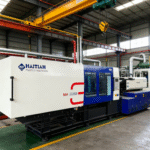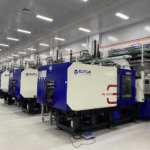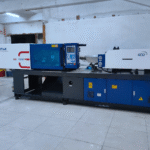

Maintaining a large industrial injection molding machine is vital for high-volume production. These massive machines work under extreme pressure and heat every day. Without proper care, small mechanical issues quickly turn into expensive breakdowns.
Unexpected downtime can halt your entire supply chain in hours. Furthermore, poor maintenance leads to defective parts and wasted raw materials. Therefore, you must implement a strict, proactive maintenance schedule.
This guide outlines the critical steps to keep your equipment running. We will cover daily checks, hydraulic care, and advanced system optimization. Follow these steps to maximize your factory’s output and efficiency.
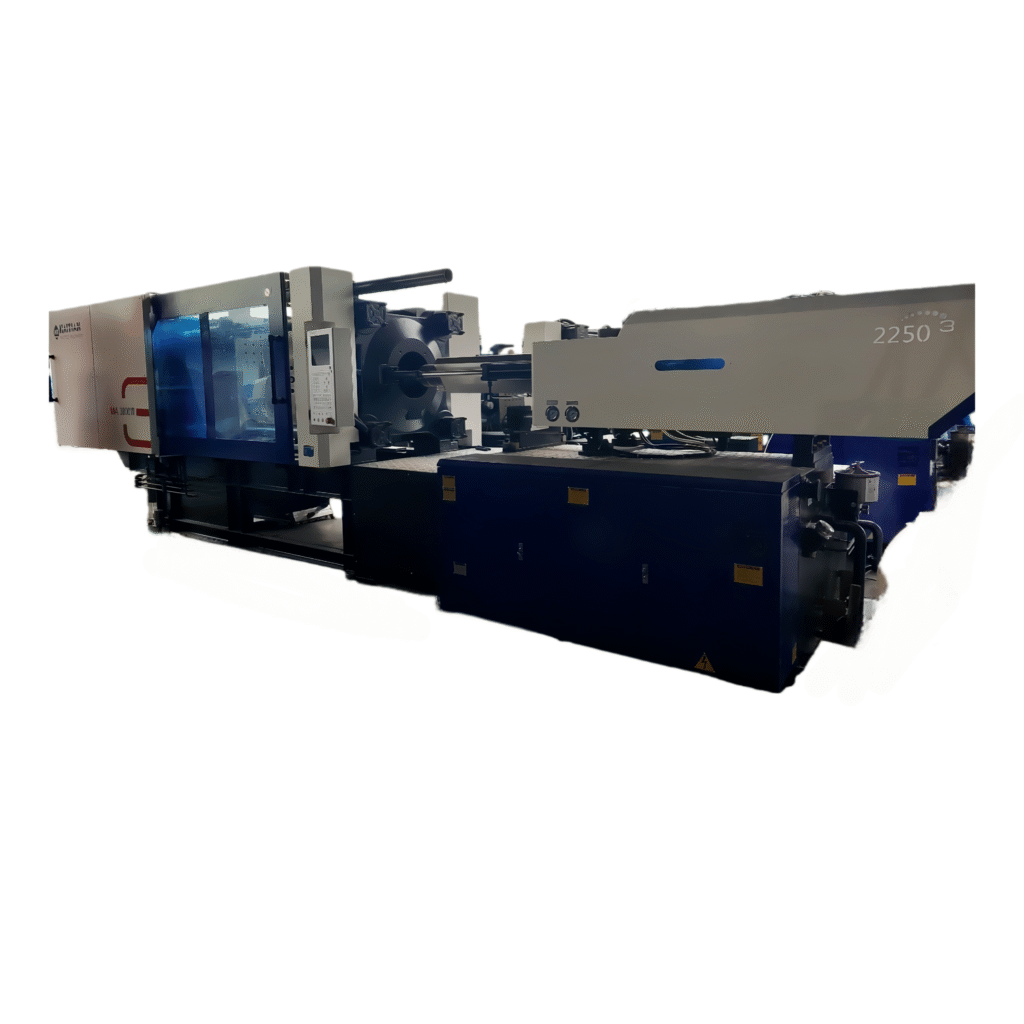
The Core Pillars of Machine Longevity
Successful maintenance requires a balance of cleaning, lubrication, and inspection. Each pillar supports the overall health of your industrial injection molding machine.
1. Daily Visual and Operational Inspections
Operators should perform a “walk-around” at the start of every shift. First, verify that all safety guards remain in their correct positions. Check the emergency stop buttons to ensure they function perfectly.
Next, listen for unusual noises or vibrations during the cycle. These often signal early bearing failure or loose mechanical fasteners. Catching these early prevents a total system failure later in the week.
2. Precision Lubrication Management
Proper lubrication is the lifeblood of moving mechanical components. You must grease the tie bars, toggle mechanisms, and sliding rails regularly. Use the specific lubricants recommended by your machine manufacturer.
Avoid over-lubricating, as excess grease attracts dust and abrasive debris. This buildup can actually accelerate wear on high-precision surfaces. Maintain a clean, thin layer of protection for the best results.
Critical System Maintenance Strategies
Large-scale machines rely on complex hydraulic and electrical systems. These require specialized attention to remain efficient over many years.
Hydraulic System Health
The hydraulic unit provides the force for clamping and injection.
- Oil Quality: Check hydraulic oil levels and clarity daily.
- Filter Replacement: Change oil filters according to the duty cycle.
- Leak Detection: Inspect hoses and couplers for any signs of weeping.
- Cooling: Ensure the oil cooler remains free of mineral scale.
Barrel and Screw Care
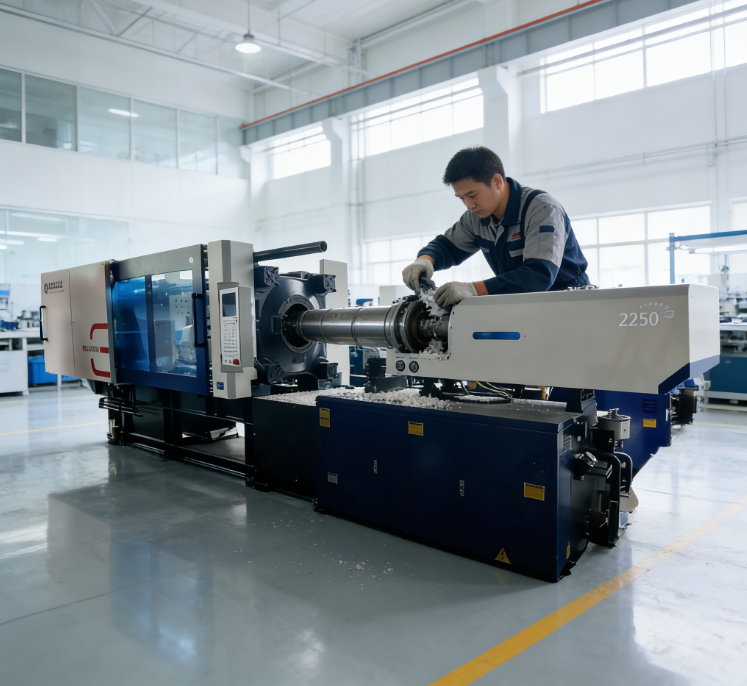
The injection unit experiences high friction and thermal stress. Regularly pull the screw to inspect for flight wear or pitting. Also, check the heater bands for consistent electrical output.
Uneven heating leads to “cold slugs” in the melt stream. These slugs can damage the mold cavity or cause part defects. Keeping the barrel clean prevents carbon buildup and material contamination.
Mold Care and Cavity Maintenance
The mold is the most expensive part of the process. You must treat it with extreme care to preserve its precision.
Post-Production Cleaning
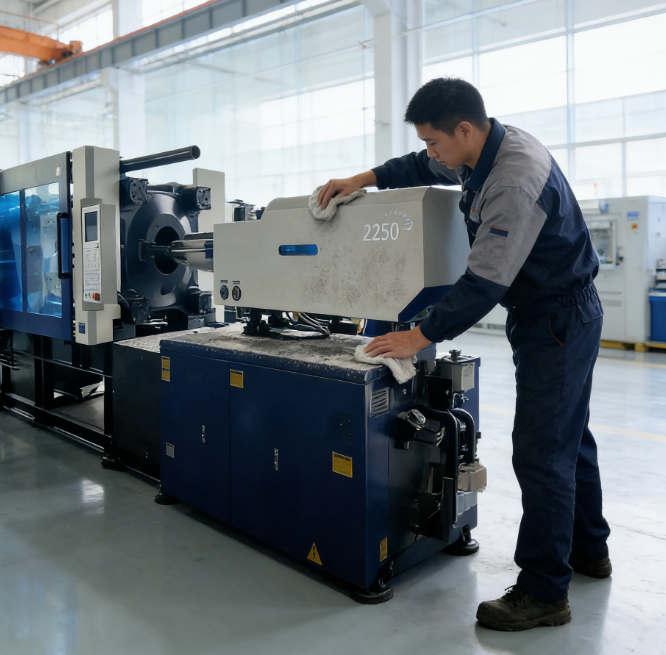
Always clean the mold faces after completing a production run. Use a non-corrosive solvent to remove plastic residue and gasses. Wipe the surfaces gently with a lint-free cotton cloth.
Vent and Cooling Channel Flushing
Static vents often clog with “plate-out” from specific resins. Use compressed air or ultrasonic cleaners to clear these vital paths. Additionally, flush the cooling channels to remove rust and calcium deposits. Proper cooling reduces cycle times and prevents thermal fatigue in the steel.
Monthly and Quarterly Maintenance Checklist
Beyond daily checks, deeper inspections are necessary every few months.
| Frequency | Maintenance Task | Benefit |
| Monthly | Calibrate temperature sensors | Ensures consistent melt quality |
| Monthly | Test safety interlock systems | Protects operators from injury |
| Quarterly | Analyze hydraulic oil samples | Identifies internal pump wear early |
| Quarterly | Tighten all electrical terminals | Prevents fires and control errors |
| Annually | Check platen parallelism | Prevents uneven mold wear |
Utilizing Smart Technology for Maintenance
Modern industrial injection molding machine units feature IoT sensors. These sensors track real-time data on pressure, temperature, and cycle speed.
Predictive Maintenance Benefits
Smart systems alert you before a component actually fails. For example, a spike in motor temperature suggests a pending bearing issue. This allows you to schedule repairs during planned weekend shutdowns. You avoid the chaos of an emergency mid-production stop.
Documentation and Logging
Always keep a detailed digital or physical maintenance log. Record every oil change, part replacement, and calibration event. This data helps identify recurring problems and improves your long-term ROI.
Common Maintenance Mistakes to Avoid
Even experienced teams can fall into bad habits. Avoid these three common errors to protect your machinery.
Ignoring Minor Oil Leaks
A small drip today becomes a burst hose tomorrow. Oil leaks also create a significant fire hazard in hot environments. Address every leak immediately to maintain a safe and clean floor.
Using Incorrect Spare Parts
Never use “off-brand” seals or valves to save money. These parts often fail prematurely and damage the main system. Always use genuine OEM components for critical hydraulic and electrical repairs.
Skipping Scheduled Downtime
It is tempting to “push through” a busy production schedule. However, skipping maintenance leads to catastrophic failure later. Scheduled downtime is always cheaper than an unplanned, month-long repair.
Conclusion
A well-maintained injection molding machine is a profit center. Consistent care ensures high part quality and minimal waste. Focus on daily inspections, proper lubrication, and hydraulic system health.
By following these essential steps, you extend the life of your equipment. You also create a safer working environment for your entire team. Remember, the best maintenance is proactive, not reactive.
Start implementing these checklists today to secure your factory’s future. Investing in maintenance is truly an investment in your company’s success.