
Selecting the right manufacturing equipment defines your project’s financial success. Many innovators now consider a benchtop plastic injection molding machine for their workshops. However, how does this compact unit truly compare to massive industrial machines?
In the past, high-quality plastic parts required million-dollar factory setups. Today, desktop technology bridges the gap for small businesses and engineers. This guide explores the critical differences in power, cost, and scale. We will help you decide which machine fits your specific production goals. Let us dive into the world of precision molding!
What is a Benchtop Plastic Injection Molding Machine?
A benchtop plastic injection molding machine is a compact version of factory equipment. These units sit comfortably on a standard workbench. They typically target low-volume production and rapid prototyping.
The Appeal of the Desktop Model
These machines use the same fundamental principles as their larger cousins. They melt plastic pellets and inject them into a mold under pressure. However, they operate on a much smaller, more manageable scale. This accessibility allows inventors to iterate designs in hours rather than weeks.
Ideal Use Cases
- Prototyping: Testing functional parts before mass production.
- Small Batch Runs: Creating custom components for niche markets.
- Education: Teaching students the mechanics of polymer science.
Understanding Industrial Injection Molding Systems
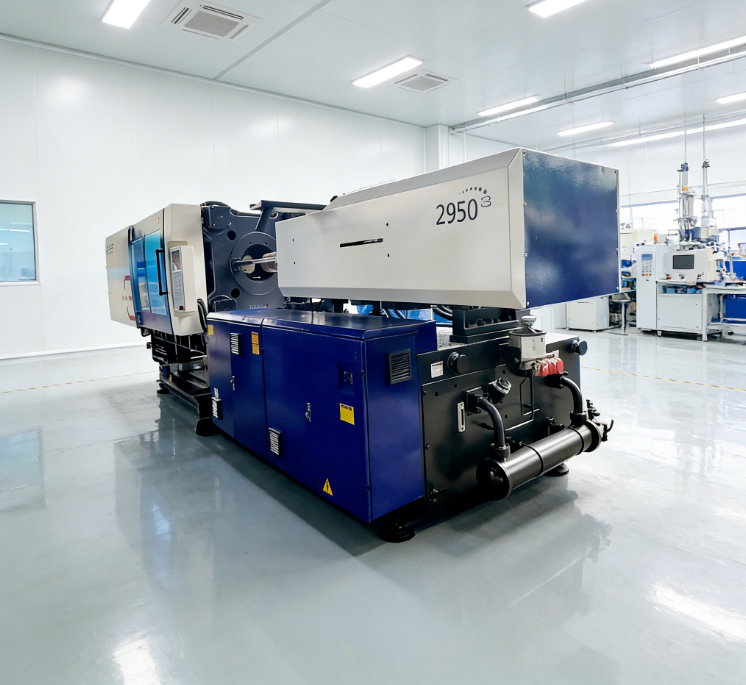
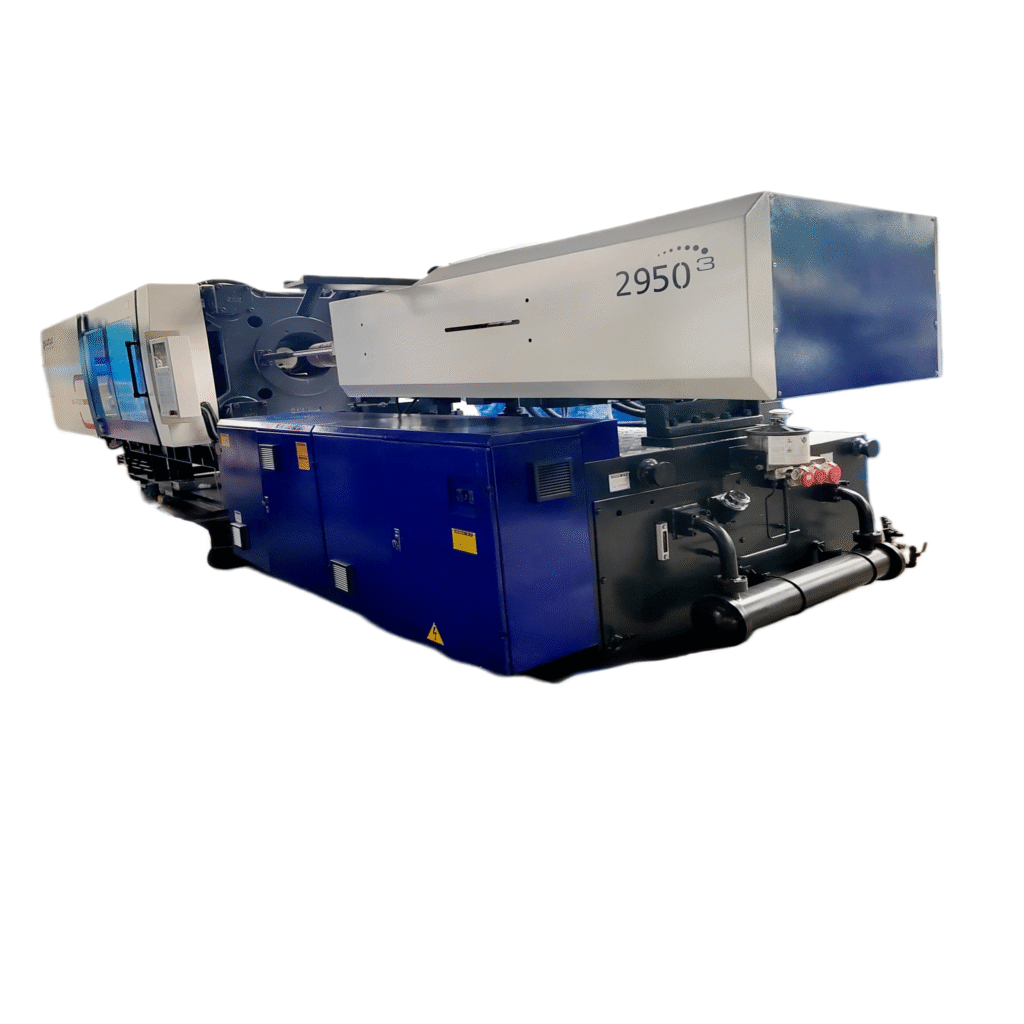
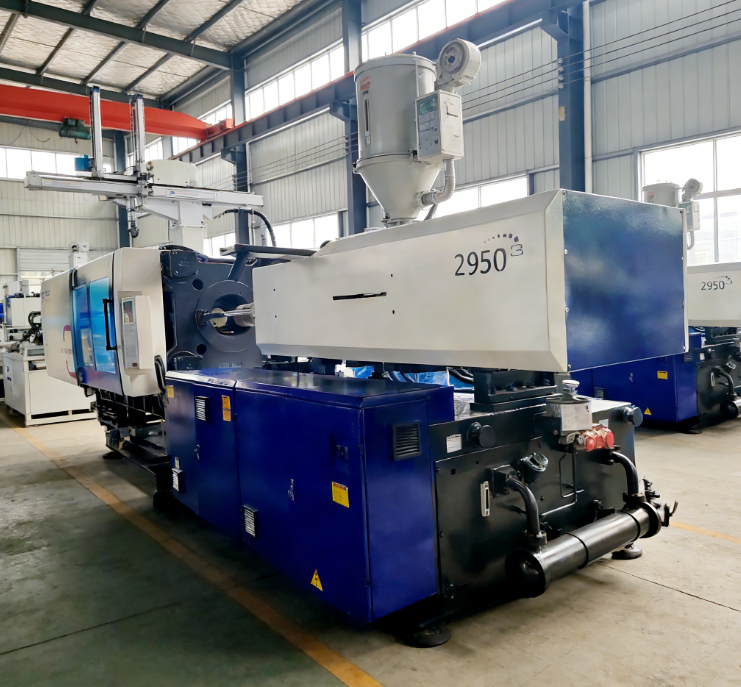
Industrial machines are the “heavy lifters” of the global manufacturing world. These behemoths can be the size of a small truck. They are designed for one thing: relentless, high-speed production.
Massive Clamping Force
Industrial units offer hundreds of tons of clamping pressure. This allows them to produce large parts with extreme precision. Furthermore, they can handle multi-cavity molds that create dozens of parts per cycle.
Automation and Speed
These machines integrate seamlessly into fully automated factory lines. They run 24/7 with minimal human intervention. While the setup is complex, the cost per part becomes incredibly low during long runs.
Comparison: Benchtop vs. Industrial Machines
To make an informed choice, you must analyze specific performance metrics. Let us break down the hardware differences between a benchtop plastic injection molding machine and industrial units.
1. Initial Investment and Operational Cost
- Benchtop: You can purchase a high-quality desktop unit for a few thousand dollars. They run on standard household electricity.
- Industrial: These require a massive capital investment, often exceeding $100,000. They also need specialized high-voltage power and industrial cooling systems.
2. Space and Infrastructure
- Benchtop: These machines save valuable floor space. You do not need a dedicated factory floor or heavy-duty ventilation.
- Industrial: You need a warehouse-grade environment. These machines generate significant heat and noise during operation.
3. Tooling and Mold Costs
- Benchtop: You can often use aluminum molds. These are much cheaper and faster to CNC machine.
- Industrial: These require hardened steel molds to withstand high pressures. A single mold can cost more than a luxury car.
Performance Limitations You Should Know
While a desktop injection molder for prototyping is versatile, it has limits. You must understand these constraints before signing a purchase order.
- Shot Capacity: Desktop units handle small parts, usually under 50 grams.
- Material Variety: Some industrial-grade polymers require extremely high melt temperatures. Benchtop units may struggle with specialized engineering resins.
- Cycle Times: Manual benchtop machines are slower. They cannot match the sub-10-second cycles of hydraulic industrial systems.
A Real-World Lesson from the Maker Community
Expert advice often comes from shared experiences on platforms like Reddit r/Manufacturing.
The Forum Case Study:
A small startup wanted to produce 500 custom enclosures for a smart-home device. Initially, they looked at industrial outsourcing. The “tooling fee” alone was $15,000.
The Solution:
They purchased a benchtop plastic injection molding machine for $4,500. They machined their own aluminum molds in-house. Within two weeks, they produced all 500 parts. They saved over $10,000 and kept the equipment for future projects. This proves that small scale plastic manufacturing is now viable for everyone.
Choosing the Best Path for Your Business
How do you decide between these two paths? Follow this simple decision logic for your next project.
When to Go Benchtop
Choose a benchtop plastic injection molding machine if you need flexibility. It is perfect if you produce fewer than 2,000 parts per year. It also excels when you need to change your design frequently.
When to Go Industrial
Invest in industrial molding if your volume exceeds 10,000 parts. If your parts are larger than a smartphone, you need industrial clamping force. This path is for those who value the lowest possible “price per gram” in the long term.
Technical Specifications Comparison Table
| Feature | Benchtop Molding Machine | Industrial Molding Machine |
| Footprint | 0.5 – 1.0 Square Meters | 10 – 50 Square Meters |
| Power Requirement | 110V / 220V Standard | High Voltage 3-Phase |
| Clamping Force | 1 – 5 Tons | 50 – 2,000+ Tons |
| Lead Time for Molds | 2 – 5 Days | 4 – 10 Weeks |
| Skill Level Required | Moderate (DIY Friendly) | High (Professional Operator) |
Maintenance and Longevity
Regardless of your choice, professional molding equipment comparison shows that maintenance is key.
- Clean the Screw: Purge the heating barrel after every session. This prevents plastic carbonization.
- Lubricate Moving Parts: Friction is the enemy of precision. Use high-temperature grease on all sliding rails.
- Inspect the Nozzle: Ensure the nozzle tip remains clear of debris. This guarantees a consistent flow during injection.
Bridging the Gap in Manufacturing
The battle between a benchtop plastic injection molding machine and industrial units is about scale. Desktop machines democratize manufacturing for designers and small shops. Meanwhile, industrial machines remain the kings of high-volume efficiency.
Evaluate your production volume and budget honestly. For many, starting with a benchtop plastic injection machine unit provides the best return on investment. It allows you to learn, iterate, and grow without massive financial risk. Start your manufacturing journey today and bring your ideas to life!