
Choosing reliable injection molding machine makers affects factory productivity and investment costs. Buyers should assess machine condition, technical support, and production suitability. A used injection molding machine can offer practical value. It may also help factories expand capacity with controlled budgets.
Imagine a plastic products factory receiving more orders. Its existing machines run near full capacity. However, the owner wants additional output without a major investment. In this situation, a carefully inspected used servo machine may deserve consideration.
How Can You Evaluate Injection Molding Machine Makers?
A supplier’s product range tells only part of its story. Buyers should also examine inspection procedures and technical documentation. Moreover, clear communication helps prevent purchasing misunderstandings.
What should a reliable supplier provide?
First, request the machine’s model and manufacturing details. Then, review maintenance records and inspection results. Also ask for operating videos and component photographs.
For used equipment, inspection should cover key systems. These include the hydraulic circuit, servo motor, screw, and clamping unit. The control system also deserves careful testing.
A trustworthy injection molding machine maker should explain the machine’s actual condition. Avoid relying only on appearance or seller descriptions. Instead, request evidence before arranging payment.
Is a Used Servo Injection Molding Machine Suitable for Your Factory?
Not every factory needs brand-new equipment. For example, a packaging manufacturer may need another production machine. Meanwhile, a growing household goods factory may want extra capacity.
A used servo injection molding machine can help manage initial investment. However, buyers must match its capabilities with product requirements.
How does the Haitian MA250T fit production needs?
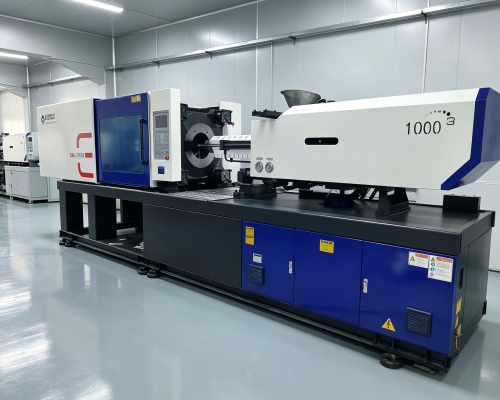
The Haitian MA250T offers a clamping force of two thousand five hundred kilonewtons. Its listed screw diameter is fifty millimeters. The product listing also states a five-hundred-gram PS injection weight.
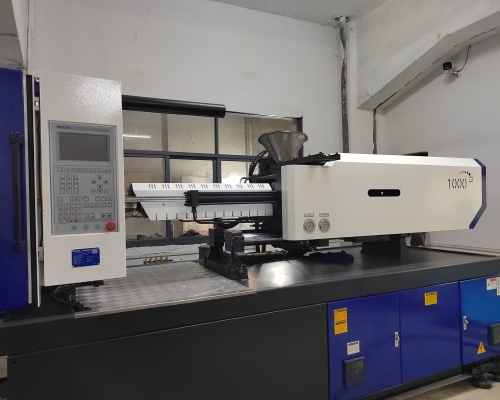
The machine uses PLC touchscreen control. Its listed injection speed reaches one hundred seventy-three grams per second. These specifications provide a starting point for application checks.
For example, factories producing household trash cans may evaluate its capacity. Disposable spoon manufacturers may also consider this machine. However, mold dimensions and material requirements must guide final selection.
The seller describes this machine as approximately ninety percent new. It also reports thorough inspection and good working condition. Buyers should request the inspection report and test results.
Which Technical Details Matter Before Purchasing?
A machine’s tonnage alone cannot determine production suitability. Buyers must also check mold dimensions and injection requirements. Furthermore, cycle time depends on the complete production process.
Match machine specifications with your mold
The MA250T listing provides several useful reference values. Its tie-bar spacing measures five hundred eighty by five hundred eighty millimeters. Its maximum mold height reaches five hundred eighty millimeters.
The listed opening stroke measures five hundred forty millimeters. Meanwhile, the ejector stroke reaches one hundred fifty millimeters.
These details help engineers assess mold compatibility. However, they should verify mold dimensions before purchase. They should also confirm material and injection requirements.
| Evaluation item | Haitian MA250T listed specification | What buyers should check |
|---|---|---|
| Clamping force | 2,500 kilonewtons | Mold locking requirements |
| Screw diameter | 50 millimeters | Material and shot requirements |
| Injection weight | 500 grams, PS | Actual product shot weight |
| Injection speed | 173 grams per second | Filling and cycle requirements |
| Tie-bar spacing | 580 × 580 millimeters | Mold installation dimensions |
| Opening stroke | 540 millimeters | Part removal requirements |
| Control system | PLC touchscreen | Operation and control condition |
| Machine condition | Used, approximately 90% new | Inspection and trial-run evidence |
One detail deserves confirmation before ordering. The webpage’s detailed specification table lists different injection values. Its listed configuration shows four hundred twenty-nine grams and one hundred sixty-five grams per second. Therefore, ask the supplier to confirm the machine’s actual installed configuration.
How Can Used Equipment Offer Better Investment Value?
Purchasing decisions involve more than the initial quotation. Factories should estimate installation and maintenance expenses. They should also consider expected production output.
A well-maintained used injection molding machine may reduce initial capital requirements. This can leave more budget for molds and auxiliary equipment. Additionally, factories can allocate funds toward material inventory.
Calculate the complete purchasing cost
Consider transportation, installation, and commissioning costs. Also check electrical requirements and cooling arrangements. Finally, estimate spare parts and routine maintenance expenses.
For example, a factory may purchase a used MA250T. It can then reserve additional funds for mold development. This approach may suit businesses expanding production gradually.
However, the final value depends on machine condition. A detailed trial run helps identify operational concerns. Buyers should also confirm service availability and delivery terms.
What Should Buyers Ask Before Ordering?
Reliable injection molding machine makers should answer technical questions clearly. Therefore, prepare an inspection checklist before negotiations.
| Purchasing factor | Questions to ask |
|---|---|
| Machine history | What is the manufacturing and usage history? |
| Mechanical condition | Have the screw and clamping unit been inspected? |
| Servo system | Does the motor operate smoothly under load? |
| Control system | Have touchscreen functions been tested? |
| Trial production | Can the supplier provide a running test? |
| Documentation | Are manuals and electrical drawings available? |
| After-sales support | What technical and spare-parts support is available? |
For B2B buyers, supplier transparency supports better decisions. It also helps factories estimate long-term ownership costs.
Explore our injection molding machine product range to review available equipment options.
A suitable machine should match the factory’s production plan. Meanwhile, an experienced supplier should provide inspection details. This combination helps buyers balance quality and investment.
Read our technical guide for more information about machine selection and production planning.
Q&A: Choosing Injection Molding Machine Makers
Q1: Are used injection molding machines worth considering?
Yes, they may offer lower initial investment costs. However, buyers should inspect machine condition carefully. Production suitability also requires technical verification.
Q2: What products can the Haitian MA250T manufacture?
The listing identifies household trash cans and disposable spoons. Other applications depend on mold and material requirements.
Q3: What does ninety percent new mean?
It describes the seller’s stated machine condition. Buyers should request inspection records and operating videos. They should also arrange a trial run when possible.
Q4: Why should buyers check injection weight?
Injection weight affects product and runner requirements. Confirm the actual shot weight for each mold. Also verify the machine’s installed screw configuration.
Q5: How can factories reduce purchasing risks?
Review maintenance history and inspect key components. Confirm specifications and request trial production. Finally, clarify warranty and service terms.
Q6: What makes an injection molding machine supplier reliable?
Look for transparent condition reports and accurate specifications. Also assess technical communication and after-sales support. These factors help factories make informed equipment investments.