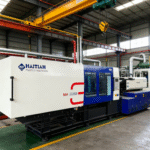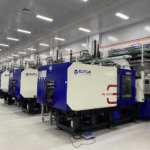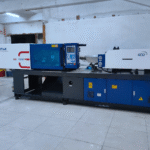

When it comes to manufacturing plastic components, plastic injection molding is one of the most reliable and efficient techniques available. However, purchasing new injection molding machines can come with a hefty price tag. For businesses looking to expand their capabilities without breaking the bank, buying used plastic injection molding machines for sale offers a viable solution.
However, buying used equipment isn’t as simple as picking the first machine you come across. To ensure the machine fits your needs and delivers consistent performance, it’s important to consider several key factors before making a purchase. In this article, we’ll explore the essential aspects to keep in mind when buying used molding machines, so you can make an informed decision and avoid costly mistakes.
Key Factors to Consider When Buying Used Plastic Injection Molding Machines
1. Machine Age and Usage History
One of the first things to consider when buying a used plastic injection molding machine is its age and previous usage. Older machines might be cheaper upfront, but they may come with hidden maintenance issues, outdated technology, or a shorter operational lifespan.
- Age of the Machine: Machines that are several years old may require more frequent repairs and upgrades. Consider how long the machine has been in operation and its maintenance history.
- Previous Usage: A machine used in a high-volume production environment may have undergone more wear and tear compared to one used for smaller production runs. Always inquire about the machine’s history and whether it has been well-maintained.
2. Condition and Inspection
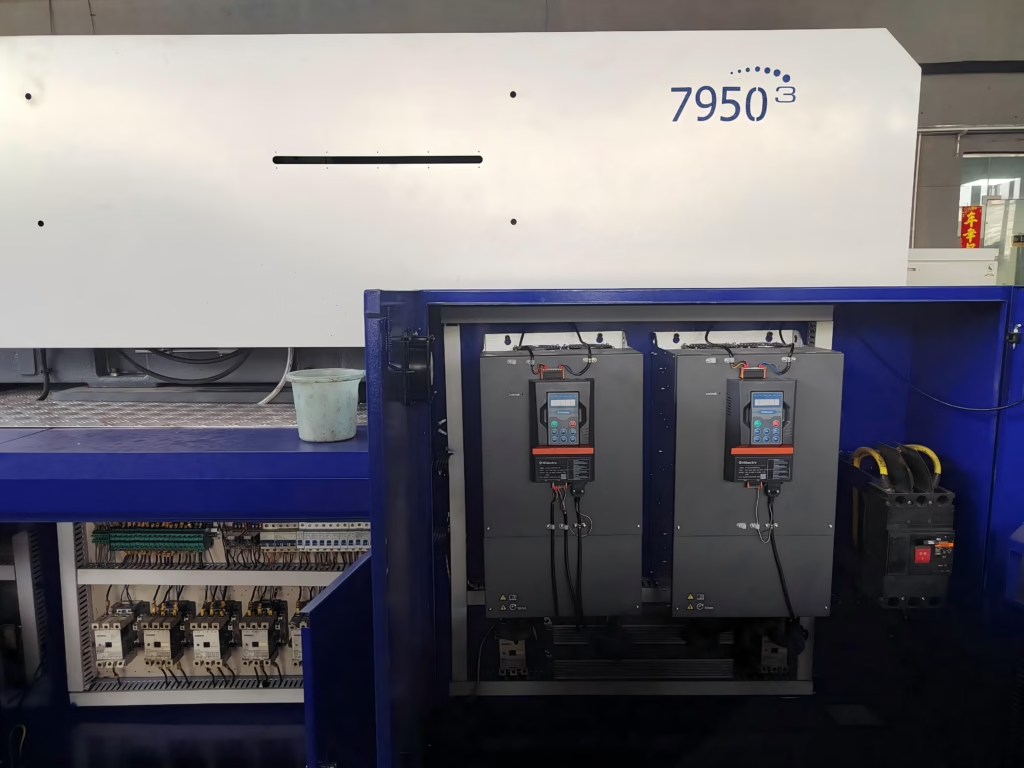
The condition of a used machine directly impacts its functionality and longevity. Therefore, a thorough inspection before purchasing is crucial.
- Physical Condition: Check for signs of excessive wear, rust, or damage to the machine’s components, such as the mold cavities, hydraulic system, and electrical parts.
- Maintenance Records: A well-maintained machine will have a detailed history of repairs, maintenance, and any upgrades or replacements made over the years. Look for records from the previous owner to ensure the machine has been regularly serviced and is in good working condition.
- Test Runs: If possible, run a test cycle on the machine before purchasing. This will give you a firsthand look at its performance and help identify any potential issues with its operation.
3. Compatibility with Your Production Needs
Not all used injection molding machines are suitable for every production environment. It’s essential to evaluate whether the machine matches your specific manufacturing requirements.
- Machine Size and Capacity: Ensure that the machine’s size and clamping force are suitable for your product specifications. If you produce larger or more intricate components, you may need a machine with a higher clamping force and larger shot size.
- Material Compatibility: Verify that the machine is compatible with the types of plastics you plan to use. Some older machines may not be equipped to handle modern materials or may require modifications to do so.
4. Brand Reputation and Manufacturer Support
Not all injection molding machine brands are created equal. Choosing a reputable brand can make a significant difference in the reliability and performance of your machine.
- Brand Reliability: Some manufacturers are known for producing high-quality, durable machines. Research the brand’s reputation for producing reliable machines and the availability of parts and service support.
- Manufacturer Support: Even if you buy a used molding machine, you’ll need access to replacement parts and technical support. Make sure the manufacturer or dealer offers ongoing support, even for older machines.
5. Cost vs. Return on Investment (ROI)
While used plastic injection molding machines are typically more affordable than new ones, it’s important to calculate the long-term costs and benefits.
- Initial Cost: Compare the price of the used machine with new machines of similar specifications. Consider whether the price difference justifies the potential risk of purchasing used equipment.
- Ongoing Costs: Account for the cost of repairs, upgrades, and any potential downtime due to machine issues. A cheaper machine may require more frequent repairs, offsetting any initial savings.
6. Energy Efficiency and Technology Upgrades
With energy costs rising, many businesses are looking for energy-efficient solutions that reduce their operational expenses. Some older used plastic injection molding machines may not have the same energy-saving features as newer models.
- Energy Efficiency: Check the machine’s energy consumption rate. Older machines tend to consume more energy, which can increase operational costs.
- Technology and Automation: Many newer machines come with advanced technology that enhances automation and improves cycle times. Consider whether upgrading to a newer model might provide better long-term value through increased productivity and lower costs.
How to Choose the Right Seller for Used Plastic Injection Molding Machines
The seller you choose plays a crucial role in ensuring you get a quality product. Whether you buy from a dealership or a private seller, make sure you verify their reputation.
- Dealerships vs. Private Sellers: Dealerships often offer warranties and more extensive post-sale support compared to private sellers. However, private sellers may offer lower prices.
- Reputation: Look for reviews, testimonials, or case studies that reflect the seller’s track record. A reliable dealer should be transparent about the machine’s history and provide warranties or guarantees.
Conclusion:
Purchasing used plastic injection molding machines for sale can be a great way to save on upfront costs, but it’s crucial to evaluate the machine carefully before making a purchase. By considering factors like the machine’s age, condition, compatibility with your production needs, brand reputation, and ROI potential, you can make a well-informed decision that supports your business growth.
When looking for used molding machines, it’s also important to choose a trusted supplier like Weisu, known for offering high-quality machines with clear maintenance histories and support options. By following these guidelines, you can ensure that the machine you purchase meets your expectations and contributes to your operational efficiency.
FAQ:
1. How can I ensure a used injection molding machine is in good condition?
Look for a machine with a well-documented maintenance history, check for signs of excessive wear, and if possible, run a test cycle before buying.
2. Should I buy a used machine from a dealer or a private seller?
Dealerships offer more support, warranties, and transparent histories, while private sellers may offer lower prices. Consider your budget and need for post-sale support.
3. How do I determine if a used machine is compatible with my materials and production requirements?
Review the machine’s specifications to ensure it can handle the materials you use and meets your required size and clamping force for production.